Imagine standing under the amber glow of a ballroom chandelier, only to realise that your gown, which seemed so perfect in the studio, has surrendered its shape or reflects the light in a way you hadn’t intended. Finding the best silk for evening wear is a delicate quest, often hindered by the fear that a fabric might prove too flimsy for a structured bodice or that a synthetic blend might lack the soul of a true natural fibre. You want a material that responds to your touch and behaves exactly as you envisioned.
Selecting the right fabric is about understanding the intimate dialogue between weight, weave, and light. We’ll guide you through this sensory journey, from the heavy, liquid drape of silk satin to the disciplined, architectural grace of hand-woven Indian silk dupion. You’ll learn how different textures perform under evening spotlights and gain the confidence to select a silk weight that supports your specific silhouette. We shall also share how to identify authentic 100% silk amongst a sea of imitations, ensuring your final garment is a masterpiece of artisan quality.
Key Takeaways
- Understand why 100% natural fibres are essential for evening lighting, offering a living lustre that synthetic alternatives simply cannot replicate.
- Compare the unique behaviours of different weaves to find the best silk for evening wear, whether you require the liquid movement of satin or the rich texture of velvet.
- Gain the confidence to select fabrics based on your garment’s silhouette, such as using silk organza for structural ruffles or hand-woven dupion for architectural gowns.
- Recognise the value of partnering with a specialist silk curator to ensure fabric purity and receive tailored advice for your bespoke creative projects.
The Sensory Allure: Why 100% Silk Defines Luxury Evening Wear
True luxury reveals itself in the way a fabric interacts with the world around it. When we speak of the best silk for evening wear, we’re describing 100% natural fibres that possess a luminous, almost “living” quality. Unlike synthetic polyesters that often appear static or flat under harsh event lighting, pure silk responds with a depth and vibrancy that feels organic. This responsiveness is what separates a mere dress from a masterpiece.
Wearing silk is a psychological experience as much as a tactile one. The cool, substantial weight of a high-grade silk against the skin offers a quiet confidence that synthetics simply can’t mimic. Whether your event calls for an ethereal, floating presence or a sharp, architectural statement, the choice of silk sets the emotional tone of the entire evening. It’s about matching the fabric’s soul to the occasion’s mood.
Lustre and Light: How Silk Behaves After Dark
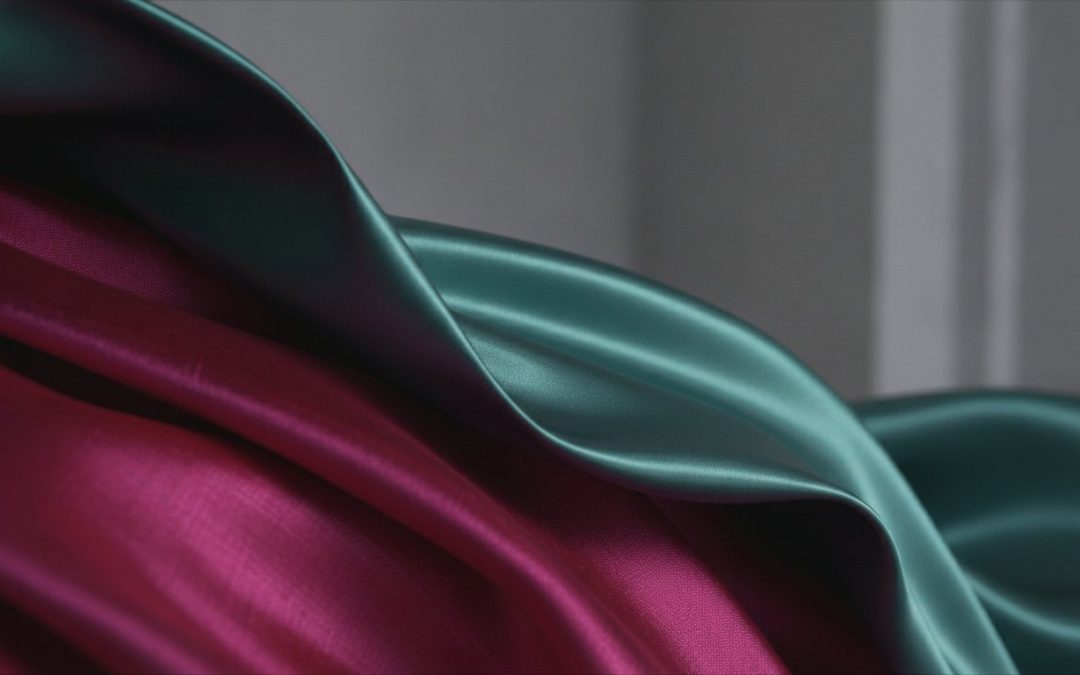
The secret to silk’s ethereal glow lies in its microscopic structure. Each fibre acts like a triangular prism, refracting light at various angles to produce a multi-dimensional shimmer. This is why Silk Satin appears to possess a liquid, moving surface, whilst Silk Dupion offers a more rhythmic, crisp shimmer that catches the light in textured intervals. This play of light ensures your silhouette remains dynamic even in the dimmest ballroom.
The Breathability Factor for Occasion Wear
Evening galas and crowded venues demand a fabric that performs under pressure. Natural silk is exceptionally breathable, allowing for effortless temperature regulation throughout the night. It keeps the wearer comfortable whilst dancing or moving through varied climates. This thermal intelligence makes it a favourite for year-round occasions, solidifying its reputation as the best silk for evening wear for those who value comfort as much as style.
While bespoke silk creations offer unparalleled luxury for formal events, those seeking versatile, ready-to-wear pieces can explore Direct-to-Consumer Product Sales at Serene Shop for contemporary style that transitions from day to night.
Comparing the Best Silks for Evening Dresses: A Tactile Guide
Choosing the best silk for evening wear requires more than a visual check; it demands an understanding of how a textile moves against the body. Each variety possesses a distinct personality that dictates the garment’s final “voice”. Silk Satin, with its high-gloss finish and substantial weight, offers a “liquid” quality that is unmatched for bias-cut gowns or sleek slip dresses. It flows like a second skin, catching every flicker of candlelight. Conversely, Silk Velvet provides a deep, light-absorbing richness that feels inherently regal. It’s the quintessential choice for winter galas or structured formal jackets, where the depth of colour can truly shine without the distraction of a high-shine surface.
For those seeking to create sculptural, statement evening pieces, hand woven silk dupion introduces a rhythmic texture and structural integrity that power-loomed fabrics cannot replicate. If you’re unsure which texture suits your specific design, exploring a specialist collection of 100% silks can help clarify your creative vision through direct tactile comparison.
Silk Satin vs. Silk Habotai: Fluidity and Sheen
Whilst both offer a smooth surface, their roles in evening wear differ greatly. Silk Satin is the star of the show, prized for its heavy, luxurious drape and radiant sheen. Silk Habotai is far more delicate and lightweight. Because of its soft hand and breathable nature, habotai serves as a premium lining for high-end evening garments. It ensures the wearer feels as exquisite on the inside as they look on the outside, without adding unnecessary bulk to the silhouette.
Architectural Elegance: Hand Woven vs. Power Woven Dupion
The choice between hand and power weaving determines the final character of a gown. Hand-woven Indian silk dupion is celebrated for its “slubs”, those small, natural irregularities that lend an artisan soul to bespoke evening pieces. These textures catch the light unevenly, creating a unique visual depth that feels curated rather than manufactured. Power-woven variants, however, offer a consistent, crisp finish. They’re ideal for modern silhouettes that require precise volume and sharp, clean lines.
Selecting Silk by Silhouette: Drape, Volume, and Structure
Creating a breathtaking evening gown requires a designer to look beyond the surface beauty of a textile. The best silk for evening wear is ultimately determined by the intended silhouette, as the dialogue between “drape” and “hand” dictates how the garment lives in motion. Drape refers to the fluid way a fabric falls over the body, whilst hand describes its structural integrity and tactile resistance. A bias-cut gown demands the effortless drape of silk satin, but a sharp, architectural bodice requires a silk with a firmer hand to maintain its crisp edges and tailored lines.
Weight, measured in momme, also plays a pivotal role in the final “swing” of a full-length skirt. A heavier silk provides a rhythmic, substantial movement that commands attention across a room. Conversely, lighter weights offer a fluttering, delicate grace that suits more intimate evening settings. Understanding these technical nuances allows you to choose a fabric that supports your design rather than fighting against it. For ready-to-wear styling inspiration alongside bespoke pieces, you can explore Női ruházati termékek online értékesítése at Tara Collection to discover contemporary women’s silhouettes and elegant everyday fashion.
For the Ethereal Gown: Organza and Habotai
Silk Organza is a master of illusion, allowing you to add “air” and sculptural depth to a design without the burden of weight. It’s the ideal choice for voluminous sleeves or ethereal overlays that require a certain stiffness to hold their shape. By layering organza over Silk Habotai, you can achieve opacity whilst maintaining a light, floating quality. This combination is a favourite for creating gowns that seem to drift through the air with every step.
For the Statement Silhouette: Dupion and Velvet
When the design calls for drama and definition, Silk Dupion remains the gold standard for ball gowns and corsetry. Its natural stiffness supports complex tailoring and voluminous pleats with ease, making it indispensable for structured bodices. For more opulent evening tailoring, such as a smoking jacket, Silk Velvet offers a peerless depth. It’s essential to support velvet with the correct interfacings to ensure the garment retains its sharp, sophisticated lines throughout the night. These fabrics don’t just dress the body; they build a presence.

Sourcing Artisan Silk: The Specialist Difference
Authenticity is the cornerstone of any heirloom garment. When you seek the best silk for evening wear, the purity of the fibre determines how the fabric will age, breathe, and hold its colour over time. Sourcing from a specialist ensures you’re working with 100% natural silk rather than the static-prone synthetic blends often found in high-street shops. This dedication to purity results in superior dye quality, where colours possess a richness and light-reflective depth that feels almost three-dimensional.
We act as curators for those who desire more than the conventional. Beyond the classic choices, we offer rare textures that provide an understated, organic elegance for contemporary evening looks:
- Raw Silk: A textured, matte finish that offers a sophisticated alternative to high-shine fabrics.
- Silk Noil: A fabric with a soft, nubby handle that drapes beautifully in more relaxed evening silhouettes.
- Silk Theme Packs: Curated selections that allow you to test colour palettes and textures before committing to metres of fabric.
It’s about ensuring your creative instincts are supported by physical reality. Testing a palette through a theme pack allows you to see how specific hues behave under your studio lights before the first cut is made.
The Artisan Heritage of Indian Silk
The distinctive character of our hand-woven Indian silk dupion is born from centuries of traditional weaving expertise. These fabrics carry the subtle signature of the weaver, making every metre slightly unique. For one-of-a-kind evening commissions, these artisan textures provide a soul and a story that power-loomed fabrics simply can’t replicate. You aren’t just buying material; you’re participating in a heritage of craftsmanship that values the individual nature of the fibre.
Expert Support for Your Creative Journey
Choosing the right weight for a complex evening collection can feel daunting, but you don’t have to decide in isolation. We pride ourselves on offering personal guidance to boutique designers and enthusiasts alike, helping you match the perfect silk to your specific vision. Whether you’re exploring the opulent depths of silk velvet, the crisp transparency of silk organza, or the classic radiance of silk satin, our expert team is here to ensure your creative journey is as seamless as the fabrics themselves. We invite you to explore our full catalogue and discover the difference that specialist quality makes to your designs.
Bring Your Creative Vision to Life
The journey from a delicate sketch to a breathtaking evening gown is paved with the tactile choices you make at the cutting table. By understanding the subtle interplay between the liquid movement of silk satin and the architectural strength of hand-woven Indian silk dupion, you gain the power to transform a design into an unforgettable statement. Selecting the best silk for evening wear is a sensory decision that balances the practicalities of drape and weight with the ethereal beauty of natural light reflection. Why settle for the static nature of blends when you can work with the soul of an artisan-crafted textile? The purity of 100% silk ensures your work stands out amongst the sea of synthetic imitations.
As a specialist supplier to the bridal industry and boutique designers, we’re here to provide the expert guidance and authentic materials your projects deserve. From matching delicate colour palettes to selecting the perfect weight for complex tailoring, our dedicated consultant approach ensures you’re supported at every stage of your creative journey.
Take your time to feel the textures and imagine the possibilities. We look forward to being a partner in your next exquisite creation.
Frequently Asked Questions
Which silk is best for a formal evening dress with a lot of drape?
Silk satin is the premier choice for designs requiring an elegant, liquid drape. Its substantial weight and smooth finish allow it to flow gracefully over the body, making it ideal for bias-cut gowns or sophisticated slip dresses. For a lighter, more ethereal drape, you might consider silk habotai, though satin remains the definitive selection for a high-lustre, red-carpet silhouette.
Is silk dupion suitable for a black-tie evening gown?
Absolutely, silk dupion is a classic choice for black-tie attire, particularly when you desire a structured or architectural silhouette. Its natural crispness and rhythmic texture catch the light beautifully in formal settings. Whilst it lacks the fluid drape of satin, its ability to hold volume makes it the best silk for evening wear when creating dramatic ball gowns or tailored bodices.
How do I care for my silk evening wear to ensure it lasts?
Professional dry cleaning is the safest method to preserve the lustre and structural integrity of 100% silk evening garments. Avoid exposing your silk to direct sunlight or moisture for prolonged periods, as this can weaken the natural fibres over time. Always store your pieces in breathable cotton garment bags rather than plastic to prevent trapped humidity and ensure the fabric remains pristine for future occasions.
Can I use silk organza for an entire evening dress or just overlays?
Silk organza can certainly be used for an entire gown, provided you incorporate appropriate linings or layering techniques to achieve the desired opacity. Because it is naturally transparent and stiff, it’s frequently used to create voluminous sleeves or structural ruffles. When used for the main body of a dress, it creates a stunning, ethereal effect that feels both modern and timelessly elegant.
What is the difference between silk satin and synthetic satin for evening wear?
The primary difference lies in the way the fabric breathes and reflects light. 100% silk satin acts like a triangular prism, refracting light with a soft, multidimensional glow, whilst synthetic polyester satin often has a flatter, more aggressive shine. Silk is also considered the best silk for evening wear because of its thermal regulation. It keeps you comfortable in crowded ballrooms where synthetics often feel clammy and restrictive.