What if the very characteristics that make silk dupion so visually arresting, those organic slubs and that unmistakable crispness, were actually the key to its architectural strength rather than a hurdle to overcome? You likely find yourself captivated by the way light catches the iridescent threads of hand-woven Indian silk, yet you might hesitate at the cutting table, haunted by visions of excessive fraying or permanent needle scars. It’s a common anxiety amongst makers who value the integrity of high-end textiles. This masterclass will show you exactly how to sew with silk dupion to achieve the structural lustre and sharp, professional finish your creative vision deserves. We’ll demystify the essential secrets of preparation, from the debate over dry cleaning to the precise selection of needles, whilst guiding you through the artisanal seam techniques required to master this sculptural fabric. By the end of this journey, you’ll feel empowered to treat every length of silk not just as material, but as a partner in your artistic process.
Key Takeaways
- Celebrate the tactile landscape of hand-woven slubs and learn to harness their unique structural integrity for more ambitious silhouettes.
- Navigate the delicate balance of preparation by discovering how to sew with silk dupion whilst choosing the perfect pre-treatment for your desired finish.
- Equip your creative space with the refined tools, such as Microtex needles, required to glide through silk fibres without leaving a trace.
- Discover how to use silk organza as a subtle sew-in interfacing to provide invisible strength and maintain the evocative movement of your creations.
Embracing the Texture: What Makes Silk Dupion Unique for Sewing?
Silk dupion is a marvel of nature and craftsmanship, a crisp, plain-weave fabric born from the rare occurrence of two silkworms spinning a single, shared cocoon. Unlike the uniform perfection of mass-produced textiles, dupion celebrates the organic. Its most famous feature, the horizontal slub, provides a tactile topography that makes it a favourite for structured bridal wear and boutique interior projects. If you’ve wondered how to sew with silk dupion, you’ll be pleased to find it offers a surprising degree of stability. It doesn’t slide across your cutting table like slippery satins or elusive chiffons, making it a reliable partner for those exploring luxury textiles for the first time.
The Anatomy of the Slub: Twin Cocoons and Texture
Hand Woven vs Power Woven: Choosing Your Canvas
While machine-made versions exist, choosing hand woven silk dupion introduces a soulful quality to your work that power-woven alternatives simply cannot match. Power-woven fabrics often feel flat and predictable. In contrast, Indian hand-woven silk possesses a depth of colour and a rich, varied lustre that only human touch can produce. These subtle variations in the weave add a unique character to bespoke dressmaking. Mastering how to sew with silk dupion starts with appreciating this artisanal heritage, allowing the fabric’s natural character to guide your design choices and inspire your creative journey.
Preparation and Cutting: Managing Fraying and Pre-treatment
Before the first snip of the shears, you must decide the fate of your fabric’s finish. Understanding how to sew with silk dupion begins with meticulous preparation, specifically addressing the debate between dry cleaning and laundering. Dry cleaning is the gold standard for maintaining the architectural “scroop” and luminous sheen of the fibres. However, some makers prefer a soft, matte, sand-washed effect achieved through gentle hand-washing. Be warned: washing silk dupion will permanently alter its handle and lustre. It’s an irreversible transformation, so always test a swatch first to ensure the result aligns with your vision.
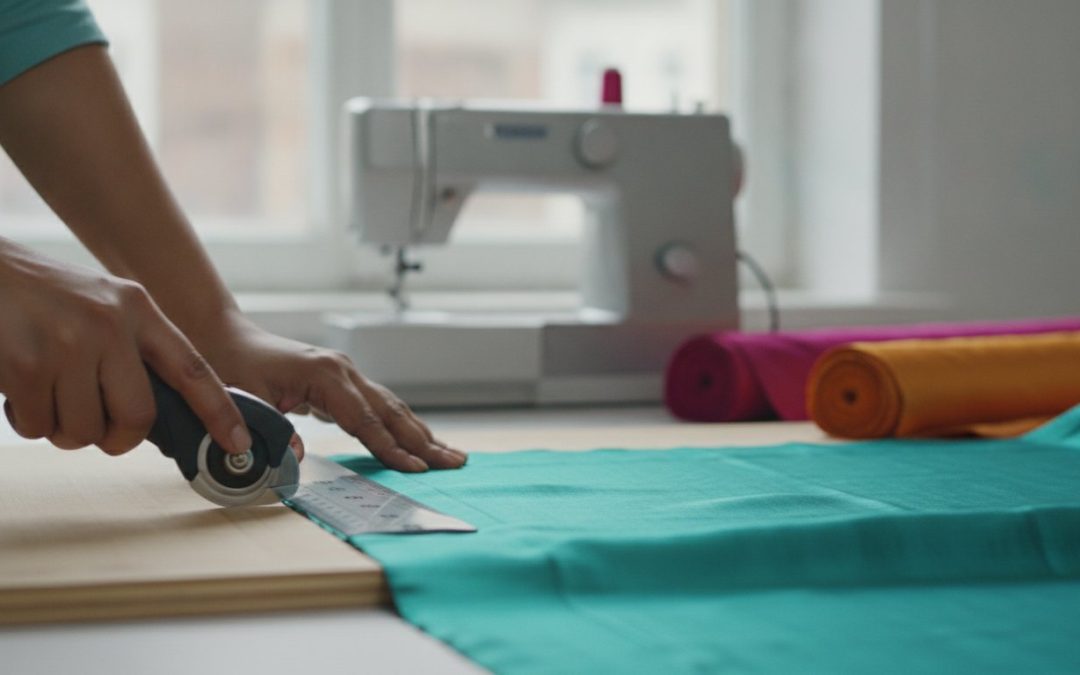
Organising your workspace is paramount to protect the silk’s delicate surface. Ensure your cutting mat is free of nicks and your shears are surgically sharp to prevent snagging the slubs. When securing your pattern, reach for extra-fine pins or polished pattern weights. Standard pins can leave permanent, unsightly holes in the crisp weave. If you’re unsure which path to take, experimenting with one of our natural silk packs allows you to test both finishes on smaller swatches before committing to a larger project.
Taming the Fray: Cutting Strategies
Dupion’s crisp, slightly loose structure means it sheds threads with surprising enthusiasm once cut. To combat this, cut wider seam allowances than usual, typically 1.5cm to 2cm. This extra margin provides a safety net during construction and allows for the traditional couture finishes, such as French seams, that best suit this high-end textile. It’s a simple step that ensures your garment remains secure and professional.
Grainline and Layout
The horizontal slubs are the heartbeat of the fabric. Cutting on the straight grain emphasises these lines, creating a structured, formal appearance. Conversely, cutting on the bias allows the silk to behave with a more fluid, sculptural grace. This technique is particularly effective for bridal wear, as it skims the body whilst retaining the fabric’s inherent strength and iridescent glow. If you find yourself weighing up which silk best suits your design, understanding the difference between silk dupion and habotai can help clarify whether you need this architectural crispness or a more fluid, lightweight alternative.
Stitching with Precision: Tools, Threads, and Seam Finishes
When your machine needle first pierces the luminous surface of the fabric, you’ll want the absolute assurance of precision. Mastering how to sew with silk dupion requires a specialised toolkit, starting with a fresh Microtex needle. These needles, typically in size 70/10 or 80/12, feature a slim, acute point designed to glide between the tightly woven fibres rather than snagging the delicate slubs. Pair this with high-quality silk thread to mirror the fabric’s natural lustre and tensile strength. Fine polyester thread also offers a reliable alternative for structural projects.
Before you begin, refine your machine settings. Shortening your stitch length to between 2.0mm and 2.5mm provides a secure bond and prevents the seams from puckering. Always maintain control by holding the thread tails as you start a seam. This simple habit prevents the crisp silk from being drawn into the throat plate, ensuring a clean start to every line of stitching.
The Art of the French Seam
French seams are the undisputed gold standard for silk dupion, providing a finish as elegant as the textile itself. By enclosing the raw edges within a narrow, double-stitched fold, you eliminate the risk of fraying whilst adding a subtle, internal structure to the garment. As you refine your understanding of how to sew with silk dupion, this technique becomes an indispensable skill. Sew your first pass with wrong sides together at a scant 0.5cm. Trim the allowance, press, and stitch again with right sides together to create a tiny, professional casing that feels like a secret couture detail.
Alternative Edge Finishes
While the French seam reigns supreme, flat-felled seams offer a more tailored, robust alternative for structured jackets or waistcoats. These provide a crisp, double-stitched aesthetic on the exterior. Avoid relying on zig-zag or overlocked edges where possible. These methods can often feel too heavy for the refined nature of 100% silk, potentially compromising the garment’s fluid movement and artisanal appeal.

Structure and Finishing: Interfacing, Pressing, and Professional Hems
The final stages of your project are where the sculptural potential of the fabric truly awakens. Whilst it might be tempting to reach for modern fusibles, these heavy adhesives often stifle the natural breathability and movement of 100% silk. Instead, embrace the couture tradition of using a sew-in support. A layer of fine silk organza provides an invisible architecture for collars and cuffs, maintaining the garment’s integrity without compromising its organic drape. When you understand how to sew with silk dupion, you recognise that the best support is one that remains felt but never seen.
Pressing is perhaps the most transformative part of the process. Silk dupion responds beautifully to heat, allowing you to sculpt sharp edges and crisp pleats that hold their shape with remarkable persistence. Always use a dedicated silk setting and a dry press cloth. This precaution is vital to prevent iron shine or the dreaded water spotting that can mar the iridescent surface. By treating the iron as a moulding tool rather than a mere flattening device, you elevate your work from a simple garment to a piece of textile art.
Choosing the Right Support
This commitment to high-calibre construction is a principle shared by those who appreciate premium fashion in all its forms. Whether you are exploring the latest urban luxe trends in an Arabic Drip Hoodie UK or tailoring a bespoke silk gown, the focus on superior materials and structural integrity remains paramount.
Using silk organza as an internal scaffold allows you to create structured silhouettes that feel weightless. It’s essential to match the weight of your support to your specific silk dupion by the metre. A heavier weight dupion might require a double layer of organza for collars, whereas a lighter weave needs only a whisper of reinforcement to retain its shape.
Exquisite Hemming Techniques
The method you choose to finish your edges defines the garment’s final character. For delicate evening wear or scarves, a narrow rolled hem offers a refined, minimalist finish. Conversely, a blind hem is the superior choice for dupion silk for curtains or structured skirts. This technique ensures the stitching remains hidden within the weave, allowing the fabric’s natural lustre to take centre stage. Mastering how to sew with silk dupion concludes with these quiet, professional details that signal true artisanal quality.
Awaken Your Creative Vision with Hand-Woven Silk
The path to mastering this iridescent textile is one of sensory discovery and quiet precision. By honouring the biological origins of the twin cocoons and embracing the structural strength of every horizontal slub, you transform a simple sewing project into an act of artisanal creation. You now possess the specialised knowledge of how to sew with silk dupion, from the delicate dance of the Microtex needle to the invisible architecture of silk organza. Each technique we’ve explored is a step toward achieving that coveted professional finish that respects the fabric’s unique, hand-woven heritage.
As a specialist supplier of 100% silk fabrics, we are dedicated to providing the exceptional hand-woven quality and personal, unrivalled customer service your vision requires. Every length of silk is an invitation to explore new tactile landscapes and push the boundaries of your craft. We look forward to being your partner as you breathe life into your next masterpiece with confidence and grace.
Frequently Asked Questions
Do I need to pre-wash silk dupion before sewing?
Pre-washing is only necessary if you intend to launder your finished creation at home. This process significantly softens the silk and reduces its characteristic lustre whilst causing up to 10% shrinkage. For bridal gowns or interior projects, we strongly recommend dry cleaning to preserve the fabric’s structural integrity. Always test a small swatch first to ensure the resulting texture aligns with your creative vision for the piece.
What is the best needle size for sewing silk dupion?
A Microtex or “Sharps” needle in size 70/10 or 80/12 is the most effective choice for this textile. These needles possess an exceptionally slim, acute point designed to glide through fine fibres without snagging the horizontal slubs. Start every project with a fresh needle. Even a slightly dull point can cause unsightly pulls in the silk, compromising the professional finish you’ve worked so hard to achieve.
How do I prevent silk dupion from fraying while I work?
Managing fraying requires a proactive approach, such as cutting slightly larger seam allowances than standard patterns suggest. You might apply a fine line of “fray check” on intricate curves or finish edges with an overlocker immediately after cutting. However, the most sophisticated method involves using enclosed seams. French seams elegantly hide raw edges within the construction, ensuring your garment remains as beautiful on the inside as the out.
Can I use iron-on interfacing with silk dupion?
We generally advise against using iron-on fusibles for high-end silk projects. Heat and adhesives can occasionally strike through or alter the fabric’s evocative texture. To master how to sew with silk dupion, choose a sew-in interfacing like silk organza instead. This traditional couture choice provides essential support without compromising the natural handle or breathability of the 100% silk fibres, allowing the garment to move with grace.
Is silk dupion difficult for a beginner to sew?
Silk dupion is remarkably beginner-friendly compared to more elusive textiles. Unlike slippery satins, dupion is stable and “grippy” under the presser foot, meaning it won’t slide whilst you are cutting or stitching. It also takes a press exceptionally well. If you are learning how to sew with silk dupion, you’ll find it an encouraging entry point into the world of luxury fabrics, provided you meticulously manage the raw edges. For those curious about how it compares to other lightweight silks, our guide on the difference between silk dupion and habotai offers a helpful tactile comparison to inform your next fabric choice.