What if the most overlooked fabric in your studio was actually the most responsive partner for your creative vision? You likely know silk habotai fabric as a dependable lining, yet you’ve perhaps felt that familiar hesitation when choosing a momme weight or worrying if a ‘silky’ bargain is merely a synthetic imitation. With the global silk market valued at USD 26.30 billion in 2026, the sea of alternatives can be overwhelming, especially when you need a surface that won’t let dyes bleed or fibres pill.
We understand that as an artist, you require a material that balances delicate translucency with structural integrity. This guide explores the luminous versatility and ethereal drape of 100% mulberry silk habotai, the quintessential choice for painters and dressmakers alike. You’ll learn how to unpick the technicalities of weight, distinguish genuine fibres from clever synthetics, and expertly prepare your fabric to ensure every brushstroke or seam is met with the quality your work deserves.
Key Takeaways
- Uncover the sensory allure of silk habotai fabric, including its distinctive ‘scroop’ sound and the fluid, shimmering lustre that defines its plain-weave character.
- Identify the ideal applications for this versatile material, ranging from high-absorbency silk painting to creating breathable linings for your favourite bridal couture designs.
- Master the traditional ‘Momme’ measurement system to accurately choose between sheer, ethereal weights and more substantial, heavyweight varieties for your next project.
- Learn how to source premium 100% mulberry silk and utilise natural silk packs to experiment with various weights and textures for your bespoke creative designs.
The Ethereal Nature of Silk Habotai: More Than Just a Lining
Silk habotai fabric is a soft, glossy, plain-weave material that traces its history back to the traditional weaving houses of Japan. Whilst its heritage is Japanese, the finest modern iterations are primarily sourced from China, where mulberry silk production has been perfected over millennia. If you’ve ever wondered What is Habutai Silk?, it’s essentially the quintessential ‘China silk’ known for its smooth surface and versatility in textile arts. This fabric serves as the foundation for countless creative endeavours, offering a purity that synthetic alternatives can’t match.
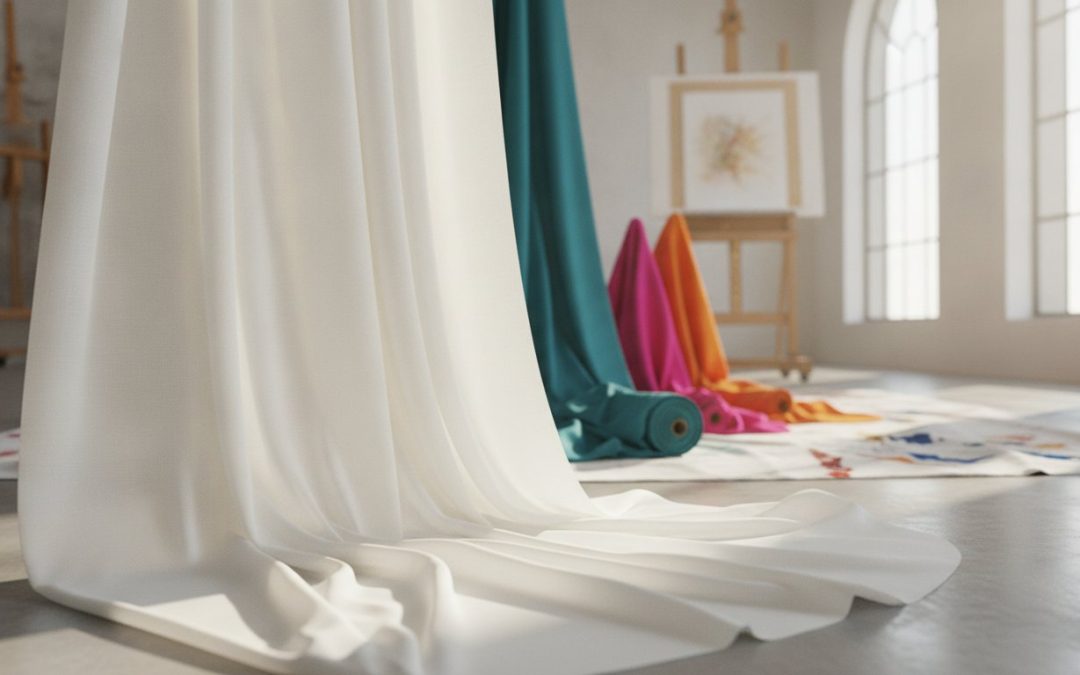
Beyond its technical specifications, habotai offers a unique sensory experience. It possesses a subtle, shimmering lustre that catches the light without the overt shine of satin. When handled, it produces a distinctive ‘scroop’, a gentle, crisp sound that is the hallmark of genuine silk. This auditory quality, combined with a pearlescent sheen, distinguishes it from every other weave. Its fluid drape makes it feel almost liquid in your hands, responding to the slightest movement with an effortless, airy grace.
Why choose 100% mulberry silk habotai over synthetic ‘habutai’ polyester imitations? Synthetic versions often feel clammy or static-heavy, whereas the natural protein fibres of mulberry silk remain breathable and temperature-regulating. Despite its light weight, genuine silk maintains a strength and dye-affinity that polyester simply cannot replicate. This integrity is vital for artists who demand precision. It’s a living canvas, not a plastic substitute.
A Tactile Comparison: Habotai vs. Silk Dupion
Choosing between fabrics often comes down to the desired silhouette. Habotai features a smooth, even surface that glides over the skin, making it the perfect choice when you require a delicate shimmer or a flowing, ethereal movement. In contrast, hand woven silk dupion offers a slubbed, textured character with a more architectural, crisp handle. Whilst habotai whispers and flows, dupion speaks with structure and bold, irregular charm. Use habotai for movement and dupion for defined shape.
From Luminous Paintings to Ethereal Linings: Key Applications
Silk habotai fabric serves as a versatile medium that transcends its traditional reputation as a mere lining. Its high absorbency and exceptionally smooth grain establish it as the premier canvas for silk painting, where precision and colour vibrancy are paramount. Beyond the studio, the bridal industry relies on this material to provide a breathable, luxurious layer that feels cool against the skin. This focus on breathable, high-performance textiles is also shared by outdoor specialists like Swoya, who design clothing and equipment for everything from everyday wear to extreme exploration. It also finds a home in soft furnishings, appearing as delicate drapery overlays or lightweight cushions that shimmer with a soft lustre. Textile artists frequently seek out this fabric for creating delicate fat quarters, finding it the perfect weight for experimental layering and mixed-media projects.
The Artist’s Canvas: Silk Painting and Dyeing
The natural ivory shade of our habotai provides a pristine, neutral base for vibrant dyes and intricate gutta resist techniques. Because the fibres take pigment so evenly, artists can achieve seamless gradients and sharp details. If you’re ready to begin your first project, our guide on how to paint on silk offers practical steps for mastering this fluid art form. Many textile enthusiasts enjoy experimenting with our natural silk packs, which allow for tactile exploration across various weights and textures. Understanding how to select the right silk fabric for painting is essential to achieving professional results, as each weave responds differently to dye and brush technique. If you’re looking to expand your dyeing practice beyond habotai, our masterclass on dyeing silk velvet at home reveals the artisanal secrets to achieving deep, luminous colour in another of silk’s most exquisite forms.
Boutique Dressmaking and Bridal Finishes
Boutique designers frequently choose habotai for scarves, intimate lingerie, and breezy summer blouses. Why is it so favoured amongst high-end creators? The answer lies in the comfort of 100% natural mulberry fibres. Unlike synthetic ‘silky’ fabrics, habotai remains breathable in warm weather and gentle on sensitive skin. It provides that essential finish required for bespoke garments, draping with a predictable elegance. Whether used as a standalone fabric or a premium lining, it elevates the tactile quality of any couture design, much like how a signature scent from Luxury Fragrance provides the final touch of sophistication to a high-end ensemble.
When you first touch silk habotai fabric, its weight tells a story of density and purpose. Unlike common cottons or linens measured in GSM, silk uses the traditional ‘Momme’ (mm) scale. This unit defines the thickness of the weave. It offers a spectrum from gossamer-light to sumptuously opaque. A 5mm habotai is ethereal and sheer. It’s the perfect choice for delicate veils or layered scarves. If you’re seeking a standard weight for garment linings or silk painting, 10mm to 12mm provides the necessary balance of strength and drape. For those desiring a more substantial, luxury feel, 16mm and above offers a heavyweight handle that feels remarkably cool and smooth. The Silk Route’s ivory habotai is a medium-weight Chinese silk, ideal for multi-purpose use in both the studio and the sewing room.
Quality Markers to Look For
Identifying a truly artisan-grade silk habotai fabric involves more than just a cursory glance. Look closely at the thread density. A superior habotai features a remarkably close weave that prevents dyes from bleeding excessively or migrating beyond your intended boundaries. This structural integrity is vital for precision work. The colour itself is another significant marker. Pure, undyed mulberry silk naturally presents as a soft, pearly ivory. This shade isn’t just an aesthetic choice. It’s a sign of a clean, chemical-free fibre that’s ready to absorb your creative vision. Choosing this natural base ensures your colours remain vibrant and true to your palette.

Sourcing Artisan Quality: The Silk Route Difference
At The Silk Route, we believe that the journey of a thousand brushstrokes begins with a single, perfect metre of material. Our silk habotai fabric isn’t merely a commodity; it’s a curated selection, hand-picked to meet the exacting standards of boutique designers and discerning dressmakers. We understand that your work is an extension of your creative soul. This is why we treat every bolt with the reverence it deserves. For those who find joy in the tactile exploration of different finishes, our natural silk packs provide an exquisite opportunity to experiment with diverse textures before committing to a larger project.
Our commitment to your craft extends far beyond the point of sale. We pride ourselves on offering unrivalled customer service that treats you as a fellow artist, ensuring you find the perfect silk habotai fabric for your specific needs. Whether you’re a hobbyist embarking on your first silk painting or a professional designer developing a high-end collection, our specialist team is here to guide you. We invite you to contact us directly to discuss your specific project requirements. We enjoy nothing more than helping a creative vision come to life through the right choice of material.
Bespoke Support for Your Creative Journey
Finding the exact shade or weight for a complex bridal gown or a refined interior project can be daunting. As a UK-based specialist with deep roots in the textile community, we offer personalised assistance with colour matching and weight selection. We don’t just sell fabric; we provide the expertise needed to ensure your materials behave exactly as intended. Sourcing from a local consultant means you gain a partner who understands the nuances of the British design landscape. We’re here to ensure your creative journey is as fluid as the silk itself.
Awakening Your Artistic Vision
From the delicate whisper of its ‘scroop’ to its unparalleled responsiveness under a dyer’s brush, we’ve explored how silk habotai fabric serves as the ultimate living canvas for your imagination. You now understand how to navigate the technicalities of Momme weights and why the purity of 100% natural mulberry fibres is vital for both high-end garment construction and intricate textile art. Selecting the correct weight ensures your colours remain vibrant and your work maintains its luminous quality whilst achieving the perfect, ethereal drape that only genuine silk can provide.
Explore our exquisite range of Silk Habotai and start your next masterpiece today.
As a specialist UK supplier, The Silk Route is committed to providing the expert guidance and unrivalled personal service required for projects of every scale. We’re here to act as your dedicated creative partner, offering the premium, 100% natural materials your unique vision demands. Let your imagination take flight as you discover the vast tactile possibilities within our hand-selected collection. We look forward to seeing what you create.
Frequently Asked Questions
What is the difference between silk habotai and silk paj?
Silk habotai and silk paj are essentially the same plain-weave fabric, though the term ‘paj’ often describes the lighter, more diaphanous weights such as 5mm. Whilst both share a smooth surface and soft lustre, habotai is typically used for a broader range of weights up to 16mm. You’ll find that paj is favoured for ethereal scarves or lightweight veils where a ghostly, translucent quality is the primary goal.
Can I wash silk habotai fabric at home, or must it be dry cleaned?
You can certainly wash silk habotai fabric at home, provided you use a gentle touch and pH-neutral silk detergent. Hand washing in lukewarm water preserves the natural proteins and shimmering lustre of the mulberry fibres better than harsh chemicals. Avoid wringing the material; instead, press it between clean towels to remove excess moisture. For professional collections or complex bridal gowns, dry cleaning remains a safe alternative to maintain the fabric’s structural integrity.
Is silk habotai suitable for making face masks or pillowcases?
This fabric is an exquisite choice for pillowcases because its smooth surface reduces friction against your hair and skin. The natural breathability of 100% mulberry silk ensures a cool, restful sleep. Whilst it is soft enough for face masks, its lightweight nature means you’d need multiple layers or a filter pocket to provide adequate protection. Its hypoallergenic properties make it particularly welcoming for those with sensitive skin or specific allergies.
How do I prevent the edges of habotai from fraying whilst sewing?
To prevent fraying, we recommend using French seams, which elegantly encase the raw edges within the seam itself for a professional finish. This technique is particularly suited to the delicate nature of habotai. You might also consider using a fine, sharp needle to avoid snagging the close weave. Using pinking shears or a narrow zigzag stitch on the edges provides additional security before you begin the final construction of your garment.
Does silk habotai shrink when dyed or painted?
Natural silk fibres can experience minimal shrinkage when exposed to water and heat during the dyeing or painting process. We suggest pre-washing your fabric in lukewarm water if your project requires precise final dimensions. This step settles the fibres and removes any residual dressings from the weaving process. Once dry, your silk habotai fabric will provide a stable, responsive surface that holds your artistic vision with remarkable clarity and permanence.