What if the most luxurious texture in your next textile piece didn’t come from a uniform, factory-pressed spool, but from the jewel-toned, recycled remnants of a centuries-old weaving tradition? You’ve likely felt the allure of silk saree yarn UK artisans are increasingly turning to, drawn by its luminous sheen and the evocative stories woven into every hand-spun strand. It’s natural to feel a flicker of uncertainty when first working with such an organic, reclaimed material. You might wonder how to gracefully handle the delightful irregularities in thickness, or how to ensure those deep, traditional dyes remain vibrant throughout the life of your work.
We understand that every creative journey deserves both sensory inspiration and technical precision. This guide promises to transform your approach to recycled silk, offering the expert guidance you need to infuse your projects with authentic Indian heritage and sustainable luxury. We’ll explore the fascinating origins of these reclaimed fibres, provide specific methods for successful knitting, weaving, and embroidery, and help you navigate the nuances of sourcing premium stock from a specialist UK supplier. By the end, you’ll have the confidence to let your imagination lead the way, knowing your materials are as ethical as they are beautiful.
Key Takeaways
- Uncover the sustainable heritage of silk saree yarn UK, a vibrant byproduct of Indian weaving that brings unrefined, artisanal texture to your textile work.
- Gain technical insights into handling hand-spun fibres across various disciplines, from traditional weaving to contemporary embroidery and knitting.
- Learn to navigate the charming irregularities of recycled silk by using specific needle sizes and design strategies like randomised colour play.
- Discover why sourcing from a dedicated UK specialist ensures you receive authentic, 100% silk skeins along with personalised advice for your artistic journey.
Understanding Silk Saree Yarn: Reclaimed Beauty for UK Makers
Think of the sun-drenched ateliers where the finest Indian garments are born. Here, the remnants of the weaving process are not discarded; they are gathered and reborn into something entirely new. The silk saree yarn UK artists adore is far from a mere scrap material. It is a deliberate, sustainable choice that honours the environment whilst preserving the prestige of natural fibres. This vibrant, eco-friendly byproduct captures the very essence of the Indian garment industry, transforming what was once overlooked into a high-register material for the discerning designer.
The texture is evocative. It carries a tactile weight that feels grounding in the hand, inviting a deeper connection between the maker and the medium. Run your fingers along a strand and you’ll discover a crisp, raw handle that speaks of its unrefined origins. Whilst the recycled label highlights its ethical credentials, don’t be misled into thinking it lacks quality. This is 100% silk. It retains the signature lustre, incredible strength, and sophisticated drape that have made silk the queen of fibres for millennia.
The Anatomy of a Skein
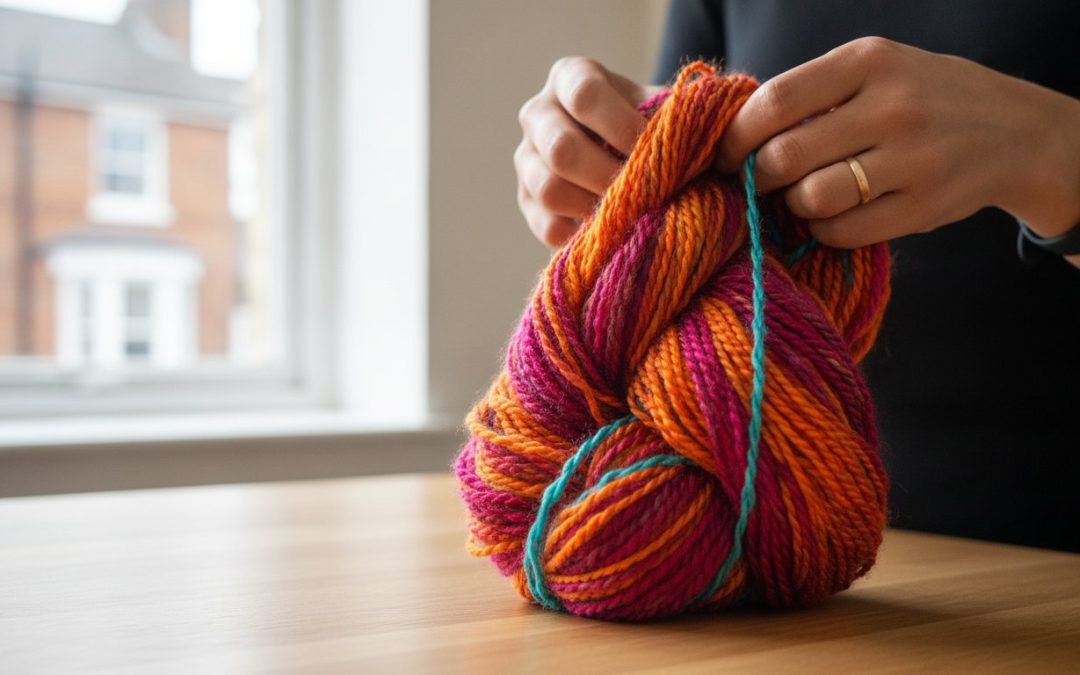
Specialist UK suppliers, such as The Silk Route, typically provide these materials in substantial 100g skeins. You won’t find the clinical uniformity of synthetic blends here. Instead, you’ll encounter a captivating range of thicknesses that shift and evolve as you work; a single strand may move from a delicate thread to a bold, textured cord. This unpredictability is matched by a pot luck colour phenomenon. Since each batch is created from different saree remnants, every skein is a unique discovery. It’s an invitation to embrace a palette that’s entirely one-of-a-kind.
Why Silk Saree Yarn is Trending in British Textile Art
British textile art is currently witnessing a renaissance of heritage materials. Makers are moving away from the ephemeral and towards pieces that tell a tangible story. By integrating this yarn into your work, you aren’t just choosing a colour; you’re engaging with The Heritage of Recycled Indian Silk. This narrative element adds profound depth to contemporary gallery pieces and modern interiors alike. In a world of mass production, the perfectly imperfect aesthetic of hand-spun silk offers a refreshing, soulful alternative that resonates with the slow craft movement currently sweeping through UK studios.
From Loom to Skein: The Heritage of Recycled Indian Silk
Imagine the rhythmic clatter of handlooms in ancient weaving centres like Varanasi or Kanchipuram, where silk sarees are born from intricate patterns and collective wisdom. This is the true origin of the silk saree yarn UK crafters find so enchanting. The journey doesn’t end when a saree is finished. Instead, the precious remnants left upon the loom are gathered with care, ensuring that not a single strand of this high-quality material is squandered. This process is a vital part of a vast industry that employs approximately 45 million people across India, where the tradition of textile art remains a vibrant cultural heartbeat.
Repurposing these remnants is an act of deep respect for the material. When you hold a skein, you’re touching silk that was originally destined for the most prestigious garments in the world. By choosing this yarn, you participate in a sustainable cycle that reduces waste whilst supporting the livelihoods of the artisans who specialise in reclaiming these fibres. It’s an ethical choice that doesn’t compromise on luxury. The resulting yarn is a testament to the fact that “recycled” can be synonymous with “exquisite,” provided the base material is 100% pure silk.
The Hand-Spinning Process
Artisans prepare the silk for its second life without the need for harsh industrial processing or heavy machinery. They use traditional spinning techniques to draw out the fibres, a method that preserves the natural integrity and soul of the silk. This manual intervention is exactly what creates the yarn’s signature texture; the slight variations in tension and twist ensure that no two lengths are ever identical. It’s a slow, deliberate craft that produces a material far more evocative than any factory-spun alternative.
A Palette of the East
The vibrant “rainbow” effect found in these skeins is a direct reflection of the sarees from which they came. Regional Indian dyes, from deep indigo to fiery saffron, merge within a single strand to create a kaleidoscopic visual experience. As the light catches the natural lustre of the silk, these colours shift and dance, offering a depth of tone that is impossible to replicate with modern synthetic dyeing. Every project becomes a canvas for these traditional hues to interact in new and surprising ways.
If you’re feeling inspired to weave these stories into your own textile work, you can browse our curated selection of silk saree yarn to discover a palette that speaks to your creative vision.
Creative Ways to Incorporate Sari Silk Yarn into Your Projects
Once you’ve felt the crisp, raw texture of this material in your hands, the desire to experiment becomes irresistible. Moving beyond the loom allows you to explore the sculptural potential of these fibres in ways that traditional yarns simply cannot match. For those using silk saree yarn UK studios often become laboratories of texture, where the irregular “slubs” and vibrant colour shifts dictate the pace of the work. You aren’t just following a pattern; you’re engaging in a tactile dialogue with the material’s history. The structural integrity of 100% silk is remarkable, offering a firm hand that holds its shape beautifully in 3D textile sculptures or heavy, draped wall hangings.
To elevate your designs, consider blending this reclaimed luxury with other specialist silks. Pairing the matte, slightly “nubby” finish of silk noil for crafts with the luminous sheen of saree yarn creates a sophisticated interplay of light and shadow. If you’re seeking even more drama, weaving in strips of silk dupion can add crisp, architectural lines to an otherwise organic piece. This approach transforms a simple project into a multi-dimensional exploration of the silk worm’s versatile legacy. For makers who enjoy working with hand-torn, artisan-dyed strips alongside their yarn, exploring silk saree ribbon as a complementary textile element can open up an entirely new dimension of colour and texture in mixed-media work.
Knitting and Crochet with a Difference
Working with hand-spun recycled silk requires a shift in perspective. Because the thickness fluctuates so beautifully, we recommend reaching for larger needles or hooks, typically in the 6mm to 10mm range. These generous sizes allow the yarn’s natural irregularities to breathe rather than being compressed into a stiff fabric. If you’re creating a statement cowl or a textured cushion cover, don’t fight the tension. Let the yarn’s varied weight create a “perfectly imperfect” surface. This organic rhythm is exactly what gives these pieces their artisanal soul and gallery-ready presence.
Embroidery and Mixed Media
For embroidery enthusiasts, this yarn is a revelation when used for couching or raised work. Instead of pulling the bulky fibre through a base fabric, lay it upon the surface and secure it with finer silk threads to create rich, undulating lines of colour. It’s a favourite amongst those practicing “slow stitching,” where the goal is to savour every movement of the needle. The yarn’s high-register lustre also makes it an exquisite choice for handmade jewellery and tassel making. A single 100g skein of silk saree yarn UK artisans source can be deconstructed into hundreds of vibrant accents for collage, mixed media, or even bookbinding, ensuring that every centimetre of this reclaimed treasure finds a purposeful home in your creative practice.

Mastering the Texture: Tips for Working with Varied Yarn Weights
Working with a material that refuses to be tamed requires a certain creative bravery. It’s natural to feel a flicker of hesitation when faced with the “pot luck” nature of silk saree yarn UK makers often discover in their studios. How do you plan a project when the yarn shifts from a whisper-thin thread to a bold, textured cord without warning? The secret lies in surrender. Rather than fighting the irregularity, successful artists learn to dance with it, allowing the yarn’s organic rhythm to dictate the final form of the piece. This unpredictable weight isn’t a flaw; it’s the very soul of the material.
Before you cast on or set your loom, take a moment to commune with your skein. Shake it out gently and let the fibres breathe. You might choose a “colour blocking” approach, where you group similar tonal sections from multiple skeins to create deliberate gradients. Alternatively, a “randomised” design celebrates the chaos, letting the hues clash and mingle in a kaleidoscopic display. If you’re combining multiple 100g skeins, we suggest alternating rows between two different balls to blend the colour shifts more seamlessly across your work.
Designing with Uncertainty
Embracing the unknown is a creative advantage. If you find a particularly vibrant or thick section of yarn, consider making it a focal point of your design. You can “fussy cut” these sections for specific embroidery accents or allow them to naturally emerge as raised textures in a knitted cowl. Planning your layout with a loose, improvisational mindset ensures that the finished piece feels alive and authentic. Every knot and slub becomes a deliberate brushstroke in your textile masterpiece.
Care and Longevity
Preserving the character of 100% silk requires a gentle touch. Whilst the fibres are incredibly strong, the traditional dyes used in India can be sensitive to harsh chemicals. We recommend a gentle hand wash in cool water with a silk-friendly detergent. Never wring the material; instead, roll it in a clean towel to remove excess moisture. If you must iron your work, use a cool setting and a pressing cloth to avoid flattening the evocative texture you’ve worked so hard to create. Store your finished pieces away from direct sunlight to keep those jewel-like colours from fading over time.
Ready to start your next masterpiece? Purchase your 100g skeins of silk saree yarn today and begin your journey into sustainable artisan luxury.
Why Source Your Silk Saree Yarn from The Silk Route?
When you embark on a creative endeavour that demands the finest materials, the source of your inspiration matters as much as the craft itself. Choosing the right silk saree yarn UK artisans rely on is about more than just finding a beautiful colour; it’s about finding a partner who understands the soul of the fibre. At The Silk Route, we position ourselves as a dedicated boutique for 100% silk, offering a curated experience that treats every customer as a fellow artist. Whether you’re a professional designer preparing a gallery piece or a hobbyist discovering the joy of recycled textures, our expertise is at your disposal.
We don’t simply ship boxes; we curate possibilities. Our studio is a sanctuary of natural and coloured silk where each 100g skein is handled with the respect it deserves. We understand that the “pot luck” nature of recycled materials can be daunting, which is why we offer a level of personal service that larger retailers cannot match. We’re here to guide you through the nuances of our collection, ensuring that the unique character of your materials aligns perfectly with your creative vision.
The Specialist Difference
Why choose a silk-only expert? Sourcing from a specialist ensures that you’re receiving 100% silk fibres, free from the mysterious synthetic blends often found in mass-market recycled yarns. From our UK-based studio, we provide national delivery across the country, bringing the heritage of India directly to your doorstep. If you have specific requirements for a project, we can assist with colour-matching or offer advice on which batch will best suit your needs. This bespoke approach transforms the act of buying yarn into a collaborative consultation.
Complete Your Creative Toolkit
Your journey into silk doesn’t have to end with yarn. To add further depth to your work, you might explore our Silk Saree Ribbon or our carefully assembled Silk Theme Packs, which provide a harmonious palette for mixed-media projects. If you’re looking for a base fabric to host your yarn-work, consider the architectural crispness of Hand Woven Indian Silk Dupion or the ethereal lightness of Silk Habotai. These materials provide the perfect canvas for the heavy, tactile nature of recycled silk.
Do you have a specific project in mind but feel unsure which silk to choose? We invite you to contact the studio for personalised advice. You can browse our full range of silk saree yarn online or reach out to us directly to discuss your next masterpiece. We’re here to help you awaken your senses and discover the true potential of artisan luxury.
Elevate Your Textile Art with Indian Heritage
The journey from the traditional looms of India to your British studio is one of transformation and profound beauty. By embracing the organic irregularities and kaleidoscopic hues of silk saree yarn UK makers can create pieces that are as sustainable as they are luxurious. You’ve discovered how to master its varied weights and how a specialist’s touch ensures every 100g skein is a one-of-a-kind treasure. This is more than just a material; it’s a bridge between ancient weaving traditions and your own modern creative vision. Whether you’re weaving a statement wall hanging or embroidering delicate accents, these reclaimed fibres offer a depth of narrative that factory-spun yarns simply cannot replicate.
As a specialist supplier of 100% silk fabrics and yarns, we take pride in our expertly curated selection of heritage materials. Our team is dedicated to providing unrivalled personal customer service for all UK makers, ensuring you have the guidance needed to let your artistry flourish. Explore our unique collection of Silk Saree Yarn and start your next project today. We can’t wait to see the stories you’ll weave into your next masterpiece.
Frequently Asked Questions
Is silk saree yarn made from 100% pure silk?
Yes, our yarn is reclaimed from 100% pure silk saree remnants. It retains the natural sheen and incredible strength of the original fabric whilst offering a more rustic, unrefined texture. Unlike mass-produced synthetic blends, this material is entirely natural. This ensures your textile projects benefit from the high-register luxury and sophisticated drape associated with authentic Indian silk heritage.
Can I choose specific colours for my silk saree yarn skein?
Our skeins are unique “pot luck” discoveries, meaning every 100g bundle features a randomised, kaleidoscopic blend of hues. Whilst you can’t select a single solid shade, we often curate theme packs that lean towards specific colour families like jewel tones or earth shades. This unpredictability is a creative advantage, ensuring that your work with silk saree yarn UK remains entirely one-of-a-kind and evocative.
What is the best way to wash projects made with sari silk yarn?
We recommend a gentle hand wash in cool water using a mild, silk-friendly detergent. Avoid soaking the piece for long periods and never wring the material, as this can damage the delicate fibres and distort the yarn’s organic shape. Instead, roll your project in a clean, dry towel to remove excess moisture. Always dry the item flat in the shade to preserve the character of the silk.
Does the colour of recycled silk yarn bleed when wet?
Some slight colour discharge is possible during the first wash due to the traditional dyeing methods used in India. We suggest washing your finished piece separately or using a colour-catcher sheet to manage any excess pigment that may release. This is a common characteristic of artisanal, hand-spun materials. It doesn’t diminish the final beauty or the luminous lustre of the 100% silk fibres.
What size knitting needles should I use for silk saree yarn?
Larger needles between 6mm and 10mm are generally best for accommodating the yarn’s bulky and irregular thickness. These sizes allow the “slubs” and hand-spun textures to sit comfortably within the fabric without becoming too stiff or dense. If you’re aiming for a more open, lacy effect in a decorative shawl, you might even experiment with 12mm needles to create a truly evocative, airy drape.
How much yarn is typically in a 100g skein?
A standard 100g skein usually offers approximately 45 to 60 metres of yarn, though this varies because of the hand-spun nature of the product. Since the thickness fluctuates from fine to bulky, yardage is less predictable than factory-spun alternatives. We always recommend purchasing an extra skein for larger projects. This ensures you have ample material to complete your creative vision without running short of these unique fibres.
Can I use silk saree yarn for warp in weaving?
We suggest using this yarn primarily for the weft rather than the warp. Its irregular thickness and hand-spun twist can make it prone to snapping under the high tension required for a warp on most looms. For a successful project, pair it with a stronger, more uniform warp like our hand-woven silk dupion. This combination provides structural integrity whilst letting the recycled silk saree yarn UK texture shine.
Is this yarn suitable for sensitive skin or baby items?
Whilst 100% silk is naturally hypoallergenic, the raw and unrefined texture of recycled saree yarn can feel slightly crisp or “toothy” against very delicate skin. It’s an excellent choice for statement garments, cushions, and sculptural wall art. However, it might not offer the buttery softness required for newborn items. For babies, you might prefer the smoother, more delicate finish of our silk habotai or silk satin instead.